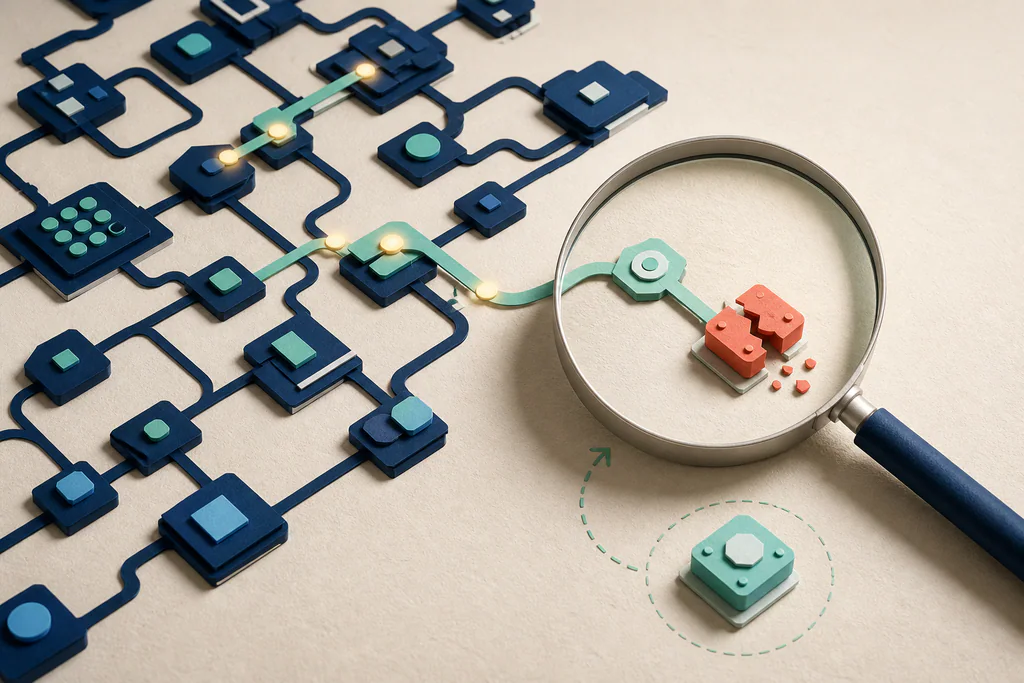
Clean code is one of the most important concepts in software development. It’s the difference between a codebase that feels intuitive, predictable, and easy to work with — and one that feels chaotic, fragile, and frustrating. Clean code isn’t just about making code look nice. It’s about writing software that is easy to read, easy to understand, easy to modify, and easy to debug. In other words, clean code is maintainable code.
Whether you’re building small scripts or large enterprise systems, clean code principles help you write software that stands the test of time. They reduce bugs, improve collaboration, and make your codebase more resilient to change. In this comprehensive guide, we’ll explore the core principles of clean code, why they matter, and how to apply them in your daily development workflow.
What Is Clean Code?
Clean code is code that is easy to read, easy to understand, and easy to modify. It follows consistent patterns, communicates intent clearly, and avoids unnecessary complexity. Clean code is not about perfection — it’s about clarity. It’s code that future developers (including you) can understand without struggling.
Clean code is often described as:
- Readable: Easy to scan and understand.
- Simple: Avoids unnecessary complexity.
- Consistent: Follows predictable patterns.
- Modular: Organized into small, focused units.
- Testable: Easy to verify and validate.
- Maintainable: Easy to update without breaking things.
These qualities make clean code a cornerstone of professional software development.
Why Clean Code Matters
Clean code has a direct impact on productivity, collaboration, and software quality. Here’s why it matters:
- Reduces bugs: Clear code is less error‑prone.
- Improves readability: Developers spend less time deciphering logic.
- Enhances collaboration: Teams can work together more effectively.
- Makes onboarding easier: New developers understand the codebase faster.
- Supports scalability: Clean code adapts more easily to new features.
- Reduces technical debt: Less messy code means fewer future problems.
Clean code is an investment. It may take a little more time upfront, but it saves enormous time in the long run.
Principle 1: Meaningful Naming
Names are one of the most important parts of clean code. Good names communicate intent clearly. Poor names create confusion and slow down development.
A good name should answer the question: “What is this?” or “What does this do?”
Good Naming Examples
    // Bad
    let d = 10;

    // Good
    let daysRemaining = 10;
Names should be descriptive, consistent, and meaningful. Avoid abbreviations unless they are universally understood.
Principle 2: Small, Focused Functions
Functions should do one thing — and do it well. Large, multi‑purpose functions are harder to read, harder to test, and harder to maintain.
A good rule of thumb: if you can’t describe what a function does in one sentence, it’s probably doing too much.
Example
    // Bad: does too many things
    function processOrder(order) {
      validate(order);
      calculateTotal(order);
      applyDiscount(order);
      sendEmail(order);
    }

    // Good: small, focused functions
    function validateOrder(order) { ... }
    function calculateOrderTotal(order) { ... }
    function applyOrderDiscount(order) { ... }
    function sendOrderEmail(order) { ... }
Small functions improve readability and make your code easier to test.
Principle 3: Avoiding Repetition (DRY)
DRY stands for Don’t Repeat Yourself. Repetition leads to inconsistencies and makes code harder to maintain. If you need to update logic, you must update it in multiple places — increasing the risk of bugs.
Instead, extract repeated logic into reusable functions or modules.
Example
    // Bad: repeated logic
    if (user.role === 'admin') { ... }
    if (user.role === 'admin') { ... }

    // Good: reusable function
    function isAdmin(user) {
      return user.role === 'admin';
    }
Principle 4: Clear Comments (But Not Too Many)
Comments should explain why something is done, not what is done. If your code needs comments to explain what it does, the code itself may not be clear enough.
Clean code uses comments sparingly — only when necessary.
Good Comment Example
    // Using binary search because the list is sorted and performance matters
    function findItem(list, item) { ... }
Principle 5: Consistent Formatting
Formatting is a key part of clean code. Consistent indentation, spacing, and brace style make code easier to read and navigate. Formatting should be automated using tools like the Lucopia Code Formatter.
Clean formatting reduces cognitive load and helps developers focus on logic instead of structure.
Principle 6: Avoiding Deep Nesting
Deeply nested code is hard to read and hard to debug. Clean code avoids unnecessary nesting by using early returns, guard clauses, and simplified logic.
Example
    // Bad: deeply nested
    if (user) {
      if (user.isActive) {
        if (user.role === 'admin') {
          ...
        }
      }
    }

    // Good: guard clauses
    if (!user) return;
    if (!user.isActive) return;
    if (!user.isAdmin) return;
Principle 7: Modular Design
Clean code is organized into modules that group related functionality. Modular design improves maintainability, supports reuse, and makes large codebases easier to navigate.
Modules should be cohesive — each module should have a clear purpose.
Principle 8: Writing Testable Code
Clean code is testable. Functions should be small, predictable, and free of side effects. Testable code improves reliability and reduces bugs.
Writing testable code also encourages better architecture and separation of concerns.
Principle 9: Avoiding Premature Optimization
Clean code prioritizes clarity over cleverness. Premature optimization leads to complex code that is hard to understand and maintain. Optimize only when necessary — and only after measuring performance.
As the saying goes: “Make it work, make it right, make it fast.”
Principle 10: Refactoring Regularly
Clean code requires ongoing maintenance. Refactoring improves structure without changing behavior. Regular refactoring keeps your codebase healthy and prevents technical debt from accumulating.
Refactoring is not optional — it’s a core part of writing clean code.
How Clean Code Improves Team Productivity
Clean code benefits teams by reducing friction and improving collaboration. When everyone follows the same principles, the codebase feels cohesive and predictable. Developers can work faster, review code more effectively, and onboard new team members with ease.
Clean code also reduces merge conflicts, simplifies debugging, and makes large projects more manageable.
Tools That Support Clean Code
Several tools help enforce clean code principles:
- Linters (ESLint, Pylint, Rubocop)
- Formatters (Prettier, Black, clang-format)
- Static analysis tools (SonarQube)
- Automated testing frameworks (Jest, PyTest, JUnit)
Tools ensure consistency and catch issues early, improving code quality across the entire project.
Conclusion
Clean code is essential for building maintainable, scalable, and high‑quality software. It improves readability, reduces bugs, and enhances collaboration. By following clean code principles — meaningful naming, small functions, DRY, consistent formatting, modular design, and regular refactoring — you can write code that is both elegant and effective.
Use tools like the Lucopia Code Formatter to keep your code clean, consistent, and professional across all your projects.