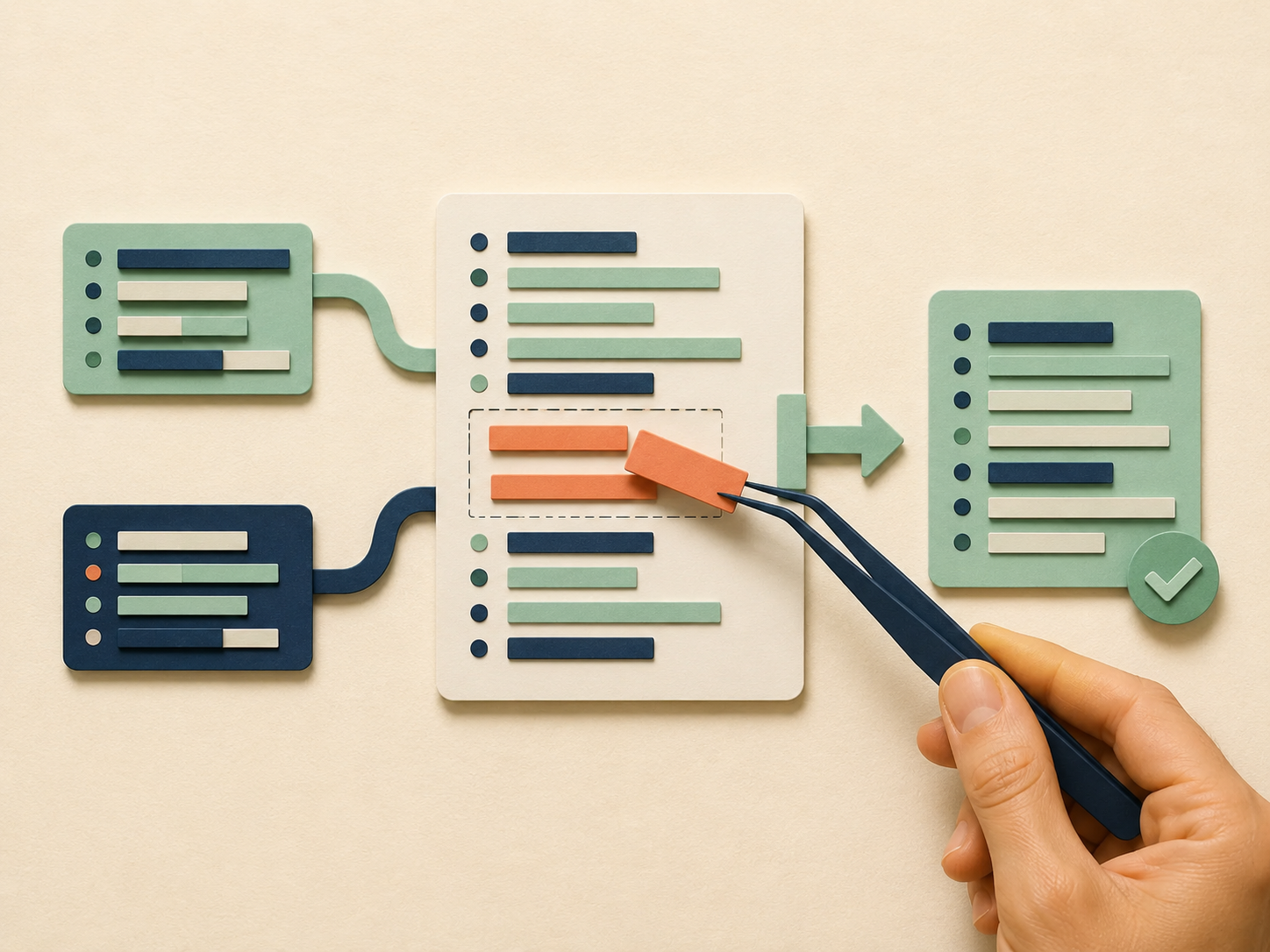
Code reviews are one of the most powerful practices in modern software development. They improve code quality, reduce bugs, strengthen team collaboration, and help developers grow their skills. Yet despite their importance, many teams struggle with code reviews — they take too long, feel overly critical, or become bottlenecks in the development process.
When done well, code reviews create a culture of learning, trust, and shared ownership. They help teams catch issues early, maintain consistent standards, and ensure that every piece of code contributes positively to the codebase. In this comprehensive guide, we’ll explore how to perform effective code reviews, how to receive feedback gracefully, and how to build a healthy review culture that benefits everyone.
What Is a Code Review?
A code review is the process of examining code written by another developer before it is merged into the main codebase. The goal is not to criticize the author, but to ensure the code is correct, readable, maintainable, and aligned with team standards.
Code reviews typically occur through pull requests or merge requests in version control systems like GitHub, GitLab, or Bitbucket. Reviewers leave comments, suggest improvements, and approve changes once the code meets quality expectations.
Why Code Reviews Matter
Code reviews provide numerous benefits that directly impact software quality and team productivity:
- Catch bugs early: Issues found during reviews are cheaper to fix than bugs found in production.
- Improve readability: Reviews ensure code is clear and understandable.
- Maintain consistency: Teams follow shared standards and patterns.
- Encourage collaboration: Developers learn from each other’s approaches.
- Reduce knowledge silos: Multiple people understand the code, not just the author.
- Support onboarding: New developers learn best practices through reviews.
- Increase confidence: Reviewed code is more reliable and stable.
Code reviews are not just about finding mistakes — they’re about building better software together.
How to Perform an Effective Code Review
Great code reviews require clarity, empathy, and attention to detail. Here are the core principles of effective reviewing.
1. Start with the Big Picture
Before diving into line-by-line details, understand the purpose of the change:
- What problem does this code solve?
- Is the solution appropriate?
- Does it align with the project’s architecture?
- Is the design consistent with existing patterns?
Reviewing the big picture first prevents nitpicking and ensures the solution itself is sound.
2. Review for Readability
Code is read far more often than it is written. Ask yourself:
- Is the code easy to understand?
- Are names meaningful?
- Is the logic clear and straightforward?
- Are functions small and focused?
If you struggle to understand the code, future developers will too.
3. Check for Maintainability
Maintainable code is easy to modify without breaking things. Look for:
- Duplicated logic
- Deep nesting
- Large functions or classes
- Tight coupling between modules
- Clear separation of concerns
Maintainability ensures the codebase stays healthy as it grows.
4. Verify Correctness
Ensure the code does what it claims to do:
- Are edge cases handled?
- Are inputs validated?
- Are error conditions addressed?
- Does the code follow business rules?
Correctness is the foundation of reliable software.
5. Check for Performance Issues
Most code doesn’t need heavy optimization, but reviewers should watch for:
- Inefficient loops
- Unnecessary database queries
- Large memory usage
- Slow algorithms
Performance issues are easier to fix early than after deployment.
6. Ensure Consistent Formatting
Formatting should be automated using tools like the Lucopia Code Formatter. Reviewers should ensure:
- Indentation is consistent
- Spacing follows team standards
- Brace style is uniform
- Line length is reasonable
Consistent formatting reduces cognitive load and improves readability.
7. Review Tests
Tests are essential for code quality. Reviewers should check:
- Are tests included?
- Do they cover edge cases?
- Are they readable?
- Do they follow testing best practices?
Good tests increase confidence in the code and reduce future bugs.
How to Give Constructive Feedback
Code reviews should be respectful, clear, and helpful. Here’s how to give feedback that improves code without discouraging the author.
1. Be Kind and Respectful
Code reviews are not personal. Avoid harsh language or criticism. Focus on the code, not the developer.
2. Use Clear, Actionable Comments
Good comments explain what needs improvement and why. For example:
    // Instead of:
    // This is wrong.

    // Use:
    // This function is doing two things. Consider splitting it into smaller functions for clarity.
3. Prioritize Issues
Not all feedback is equally important. Focus on:
- Correctness
- Security
- Performance
- Maintainability
Minor formatting issues should be automated, not debated.
4. Offer Suggestions, Not Commands
Suggest improvements rather than dictating them. This encourages collaboration.
5. Celebrate Good Code
Positive feedback builds confidence and reinforces good practices. Highlight elegant solutions or thoughtful design choices.
How to Receive Feedback Gracefully
Receiving feedback is just as important as giving it. Here’s how to handle reviews professionally.
1. Don’t Take Feedback Personally
Code reviews are about improving the code, not judging the developer. Stay open to suggestions.
2. Ask Clarifying Questions
If feedback is unclear, ask for clarification. This prevents misunderstandings.
3. Explain Your Decisions
If you made a design choice intentionally, explain your reasoning. This helps reviewers understand your approach.
4. Apply Feedback Thoughtfully
Don’t blindly apply every suggestion. Evaluate feedback and choose the best solution.
5. Thank Reviewers
Code reviews take time. Expressing gratitude builds a positive team culture.
Building a Healthy Code Review Culture
A healthy review culture encourages collaboration, learning, and shared ownership. Here’s how teams can build one:
- Set clear review guidelines
- Automate formatting and linting
- Limit pull request size
- Encourage respectful communication
- Prioritize learning over criticism
- Review code promptly
When teams follow these principles, code reviews become a powerful tool for growth and quality.
Tools That Support Code Reviews
Several tools help streamline the review process:
- GitHub Pull Requests
- GitLab Merge Requests
- Bitbucket Code Review
- SonarQube (static analysis)
- Prettier and ESLint (formatting and linting)
These tools automate checks, highlight issues, and make reviews more efficient.
Conclusion
Code reviews are essential for building high‑quality, maintainable software. They improve readability, reduce bugs, strengthen collaboration, and help developers grow. By following best practices — focusing on readability, maintainability, correctness, and respectful communication — you can make code reviews a positive and productive part of your development workflow.
Use tools like the Lucopia Code Formatter to keep your code clean and consistent before submitting it for review. Clean code leads to smoother reviews, better collaboration, and stronger software.