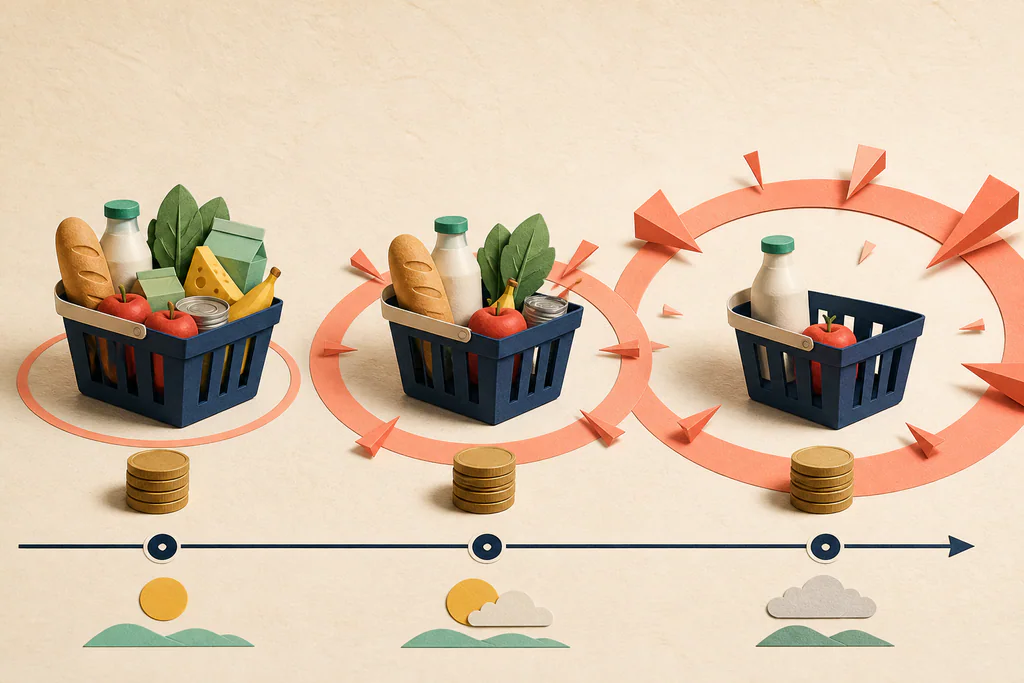
Inflation affects everyone — workers, retirees, investors, business owners, and families. When prices rise, your money buys less than it used to. Over time, inflation can erode savings, increase living costs, and reshape financial planning. Yet despite its importance, inflation is often misunderstood. Many people know prices are rising but don’t fully understand why or how inflation impacts their financial future.
In this comprehensive guide, we’ll explore what inflation is, why it happens, how it’s measured, how it affects your money, and how you can protect yourself from its long-term effects. By the end, you’ll have a clear understanding of inflation and how to navigate it confidently.
What Is Inflation?
Inflation is the rate at which prices increase over time. When inflation rises, the purchasing power of your money decreases. For example, if inflation is 3%, something that costs $100 today will cost $103 next year.
Inflation doesn’t affect all goods equally. Some prices rise faster than others, depending on supply, demand, production costs, and market conditions.
Why Inflation Happens
Inflation can occur for several reasons. Economists typically categorize inflation into three main types:
1. Demand-Pull Inflation
Demand-pull inflation happens when demand for goods and services exceeds supply. When consumers want more than businesses can produce, prices rise.
2. Cost-Push Inflation
Cost-push inflation occurs when production costs increase. If raw materials, labor, or transportation become more expensive, businesses raise prices to maintain profit margins.
3. Built-In Inflation
Built-in inflation happens when workers expect prices to rise and demand higher wages. Businesses then raise prices to cover wage increases, creating a cycle of rising costs.
How Inflation Is Measured
Economists use several tools to measure inflation. The most common is the Consumer Price Index (CPI), which tracks the price of a “basket” of goods and services over time.
CPI includes:
- Food
- Housing
- Transportation
- Healthcare
- Education
- Energy
Other inflation measures include:
- Producer Price Index (PPI)
- Personal Consumption Expenditures (PCE)
- Core inflation (excluding food and energy)
These tools help economists and policymakers understand price trends and make decisions about interest rates and economic policy.
How Inflation Affects Your Money
Inflation impacts nearly every part of your financial life. Here’s how rising prices affect your money:
1. Reduced Purchasing Power
As prices rise, your money buys less. This affects everyday expenses like groceries, rent, utilities, and transportation.
2. Eroded Savings
If your savings earn less interest than the inflation rate, your money loses value over time. For example, if your savings account earns 1% interest but inflation is 3%, your real return is -2%.
3. Higher Cost of Living
Inflation increases the cost of housing, healthcare, education, and other essential expenses. This makes budgeting more challenging.
4. Impact on Investments
Inflation affects investment returns. Stocks often outperform inflation over time, while bonds and cash may lose value if interest rates are low.
5. Impact on Debt
Inflation can help borrowers. If you have fixed-rate debt, inflation reduces the real value of your payments over time.
Inflation and Interest Rates
Central banks use interest rates to control inflation. When inflation rises, they may increase interest rates to slow spending and borrowing. When inflation is low, they may lower rates to stimulate the economy.
Interest rates affect:
- Mortgage payments
- Credit card interest
- Loan affordability
- Investment returns
Understanding the relationship between inflation and interest rates helps you make smarter financial decisions.
Inflation and Wages
Inflation affects wages differently across industries. Some workers receive cost-of-living adjustments (COLA), while others do not. If wages don’t keep up with inflation, workers lose purchasing power.
Negotiating raises or switching jobs may be necessary to keep up with rising costs.
Inflation and Retirement Planning
Inflation is one of the biggest risks in retirement planning. If your retirement savings don’t grow faster than inflation, your future purchasing power will decline.
Retirement plans should include investments that historically outperform inflation, such as stocks or real estate.
How to Protect Yourself from Inflation
While inflation is unavoidable, you can take steps to protect your finances.
1. Invest in Assets That Outperform Inflation
Stocks, real estate, and inflation-protected securities (TIPS) often outperform inflation over time.
2. Avoid Keeping Too Much Cash
Cash loses value during inflation. Keep only what you need for emergencies and short-term expenses.
3. Build an Emergency Fund
Inflation can increase unexpected expenses. A strong emergency fund protects you from financial shocks.
4. Increase Your Income
Negotiating raises, switching jobs, or building side income can help you keep up with rising prices.
5. Reduce High-Interest Debt
High-interest debt becomes harder to manage during inflation. Paying it down frees up money for investing.
6. Use Tax-Advantaged Accounts
Accounts like 401(k)s and IRAs allow your money to grow tax-deferred or tax-free, helping you stay ahead of inflation.
Common Misconceptions About Inflation
Many people misunderstand inflation. Here are common misconceptions:
- “Inflation is always bad.” Moderate inflation is normal and healthy for economic growth.
- “Inflation affects everyone equally.” Inflation impacts industries and individuals differently.
- “Inflation only affects prices.” Inflation affects wages, interest rates, savings, and investments.
- “Inflation is unpredictable.” While not perfect, inflation trends can be analyzed and planned for.
Frequently Asked Questions
Is inflation good or bad?
Moderate inflation is normal. High inflation reduces purchasing power and creates financial challenges.
How does inflation affect savings?
If your savings earn less than the inflation rate, your money loses value over time.
How can I beat inflation?
Invest in assets that historically outperform inflation, such as stocks or real estate.
Does inflation affect retirement?
Yes — inflation reduces the purchasing power of retirement savings. Planning is essential.
Conclusion
Inflation affects every part of your financial life. Understanding how it works — and how to protect yourself — empowers you to make smarter financial decisions. By investing wisely, managing debt, increasing income, and planning for the future, you can stay ahead of inflation and build long-term financial stability.
Use financial tools and calculators to estimate how inflation affects your savings and investments, and make informed decisions that strengthen your financial future.